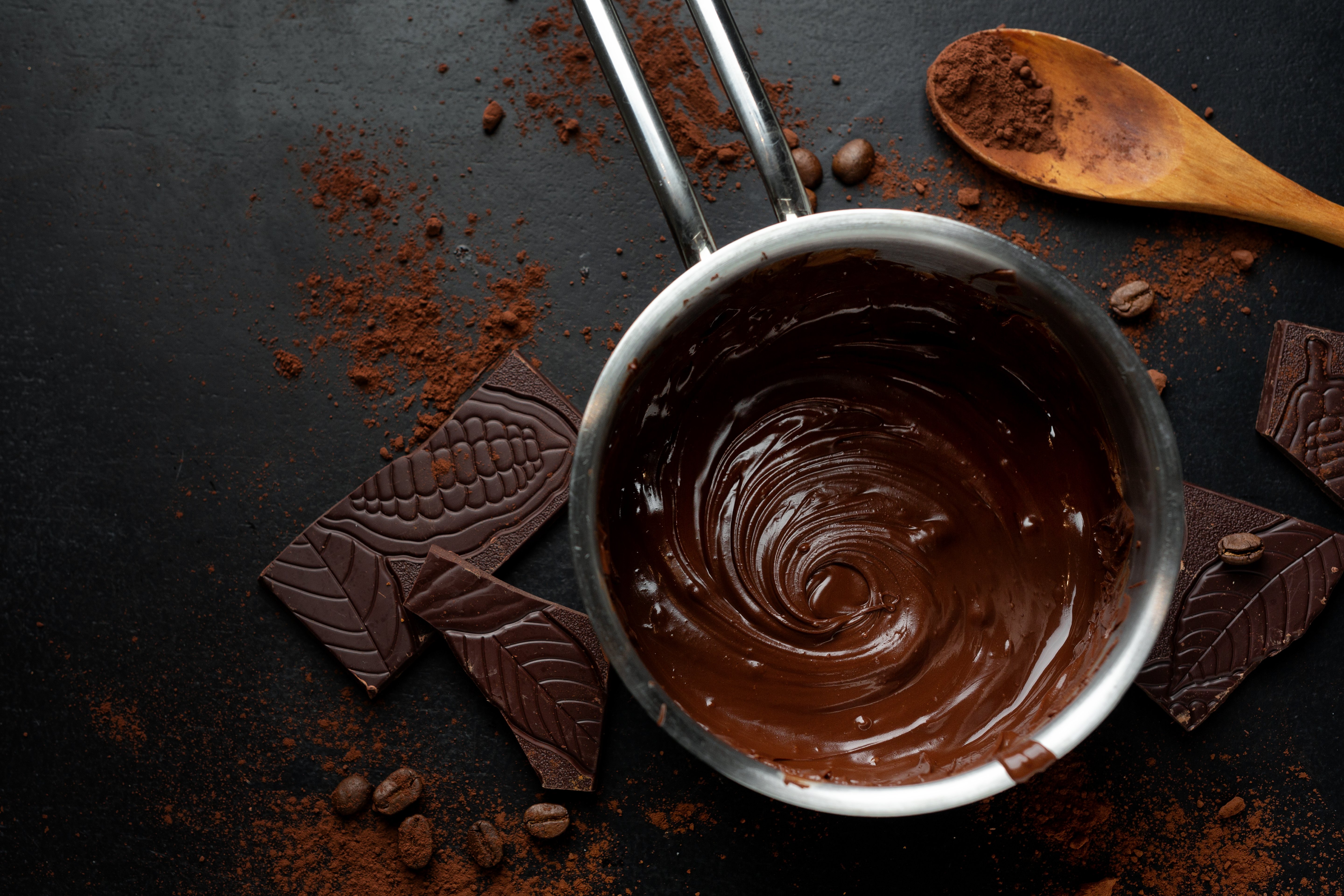
The Secret to Glossy Ganache: The Perfect Dark & Milk Chocolate & Cream Ratio
Few culinary creations possess the versatility and indulgent appeal of chocolate ganache. From elegant drizzles on celebration cakes to luxurious fillings and rich, pipeable frostings, ganache is a baker's best friend. But achieving that coveted silky smooth texture and dazzling glossy finish often feels like a mysterious art. The truth, however, lies in understanding a simple yet crucial science: the precise ratio of dark chocolate, milk chocolate, and cream, coupled with impeccable technique. If you've ever wondered how to make chocolate ganache that truly stands out, you're about to unlock its delicious secrets.
At its heart, classic ganache requires just two ingredients: chocolate and cream. Yet, to elevate it from merely good to absolutely sublime – a ganache that boasts both profound depth of flavor and an irresistible sheen – a strategic blend of milk and dark chocolate, combined with the right amount of high-fat cream, is transformational. This comprehensive guide will demystify the process, ensuring your homemade ganache is always rich, smooth, and spoon-licking good.
Unlocking the Gloss: The Magic of Dark and Milk Chocolate Synergy
Many recipes call for either all dark or all milk chocolate, but the true secret to a balanced, glossy ganache lies in a harmonious blend of both. Each type plays a distinct and vital role in the final flavor profile and texture:
- Milk Chocolate: The Sweet & Creamy Foundation
Milk chocolate is the harbinger of sweetness and a delightful creamy richness. Its higher sugar content and milk solids contribute to a softer set and a more approachable, comforting flavor. It makes the ganache feel more indulgent and reduces any potential harshness from very dark chocolate. When emulsified, the cocoa butter from the milk chocolate contributes to the smooth mouthfeel, making the ganache feel luxurious on the palate. - Dark Chocolate: The Depth, Balance & Gloss Factor
This is where the magic truly happens for both flavor and appearance. Dark chocolate, especially varieties with 60-70% cocoa solids, introduces a complex depth of flavor and a sophisticated, slightly bitter edge. This bitterness is not harsh; rather, it artfully balances the sweetness of the milk chocolate, preventing the ganache from becoming cloyingly sweet. More importantly, dark chocolate's higher cocoa butter content is crucial for that coveted glossy finish. Cocoa butter, a fat, emulsifies beautifully with the cream's fat, reflecting light and creating a mirror-like sheen that lower-cocoa chocolates simply can't achieve on their own. We recommend a 70% dark chocolate for a perfect balance, but you can adjust slightly based on your preference for sweetness and bitterness.
By combining them, you achieve a ganache that's neither too sweet nor too bitter, but a perfectly balanced symphony of rich chocolate flavors with a captivating shine. It's the ultimate upgrade for any dessert, from filling delicate pastries to adorning your favorite cake.
The Cream of the Crop: Fat Content and Silky Texture
While chocolate provides the flavor and body, cream is the unsung hero that dictates the ganache's luxurious texture and workability. Not all creams are created equal for ganache, and understanding their role is paramount.
Why High-Fat Cream is Non-Negotiable
For truly exceptional ganache, you need a high-fat cream. In the UK, this is typically "double cream," boasting around 48% fat. In the US, "heavy cream" or "heavy whipping cream" (usually 36-40% fat) is the equivalent. The higher the fat content, the richer and more stable your ganache will be. Here's why:
- Emulsification Excellence: The fat from the cream is essential for emulsifying with the cocoa butter in the chocolate. This process creates a stable, homogenous mixture that is smooth, velvety, and won't easily split or become grainy.
- Luxurious Mouthfeel: The abundant fat contributes significantly to the ganache's rich, melt-in-your-mouth texture, ensuring it feels indulgent and never waxy.
- Perfect Set: High-fat cream ensures the ganache sets to a desirable consistency – firm enough to hold its shape for piping or spreading, but soft enough to yield beautifully without becoming rock-hard.
The Crucial Ratio: Beyond the Traditional 1:1
Many classic ganache recipes suggest a 1:1 ratio of chocolate to cream. While effective for darker, firmer ganaches often used for truffles or very sturdy fillings, we've found that a slightly more generous amount of cream yields a ganache that is far more versatile and inherently silkier. For a beautifully pourable, spreadable, and whip-friendly ganache, a ratio that slightly favors cream creates a less rigid structure, promoting that desirable silky flow.
For instance, for a pourable ganache perfect for glazes, you might use approximately 1 part mixed chocolate to 1.25 parts cream. If you desire a slightly firmer ganache for piping or a thicker filling, a 1:1 ratio of chocolate to cream is more appropriate, especially when using a dark chocolate blend. Experimentation is key to finding your perfect balance, but starting with a little more cream than chocolate is the secret to a truly silken texture that won't set too hard.
Mastering the Method: Step-by-Step for Perfect Ganache
Making ganache is surprisingly simple, yet a few key steps and a dash of patience can make all the difference between a good ganache and an exceptional one. Here's how to make chocolate ganache with professional results:
1. Precision Preparation: Chop Your Chocolate Finely
The first step is arguably one of the most important for a smooth ganache. Finely chop both your milk and dark chocolate. The smaller the pieces, the more evenly and quickly the chocolate will melt when the hot cream is added. This prevents lumps and ensures a perfectly smooth emulsion. Avoid chocolate chips if possible, as they often contain stabilizers that can hinder smooth melting. Opt for high-quality baking bars or couverture chocolate. Once chopped, place the chocolate into a heatproof glass bowl and set aside.
2. Gentle Heating: The Cream's Temperament
Pour your double cream (or heavy cream) into a small saucepan and place it over medium-low heat. The goal here is to warm the cream slowly and gently, allowing it to become piping hot and steamy, with small bubbles just beginning to form around the edges of the pan. Crucially, do not let the cream come to a rolling boil. Boiling can scorch the cream, alter its flavor, and significantly increase the risk of your ganache splitting.
3. The "Pour and Rest" Technique: A Moment of Magic
Once the cream is steaming hot, immediately pour it directly over your finely chopped chocolate. Ensure all the chocolate is submerged beneath the hot cream. Now for the crucial next step: cover the bowl with an upside-down plate or a tight-fitting lid and leave it undisturbed for exactly one minute. This "rest" period traps the heat, allowing the residual warmth from the cream to gently melt the chocolate, particularly the inner pieces, before any stirring begins. This passive melting significantly reduces the chance of seizing or splitting during the stirring phase, setting you up for a gorgeously smooth result.
4. The Stirring Secret: Patience Pays Off
After the minute is up, remove the plate. Using a spatula or spoon, begin stirring slowly from the center of the bowl, gradually working your way outwards in small, concentric circles. At first, the mixture might look a bit streaky, oily, or even split – do not panic! This is completely normal. Continue stirring slowly and patiently. As you continue to coax the mixture, you'll witness a fascinating transformation: the chocolate and cream will gradually emulsify, coming together into a single, glossy, velvety smooth ganache. This process usually takes a few minutes, so resist the urge to stir too vigorously or quickly, which can introduce air and make it less stable. For an in-depth, step-by-step guide to this easy 3-ingredient process, check out our article on Master Silky Smooth Chocolate Ganache: Easy 3-Ingredient Recipe.
Beyond the Basics: Tips for Ganache Perfection
- Ingredient Quality: As with any simple recipe, the quality of your ingredients shines through. Invest in good quality chocolate with a decent cocoa butter content for the best flavor and texture.
- Temperature is Key: The versatility of ganache is tied directly to its temperature.
- Warm: Perfect for drizzling, glazing, or pouring over cakes and desserts.
- Room Temperature (Cool): Ideal for spreading as a frosting, filling cakes, or piping simple decorations.
- Chilled (Cold): Once thoroughly chilled, ganache can be whipped into a light, fluffy, and stable frosting.
- Troubleshooting Common Issues:
- Grainy Ganache: Usually a sign that the chocolate wasn't chopped finely enough or didn't melt completely. A quick fix can be very gently reheating it over a double boiler while stirring, or carefully using an immersion blender.
- Split/Oily Ganache: This often happens if the cream was too hot, it was stirred too vigorously, or the ratio is off. To rescue, try adding a tablespoon of lukewarm milk or cream and whisking gently, or use an immersion blender for a minute.
- Too Thick/Thin: If it's too thick, gently warm it and stir in a tiny bit more warm cream. If too thin, let it cool longer, or if necessary, gently melt a small amount of extra chocolate and stir it in.
- Storage: Freshly made ganache can be stored covered at room temperature for up to 2 days, or in the refrigerator for up to 2 weeks. Reheat gently over a double boiler or in short bursts in the microwave, stirring until smooth, before using.
Conclusion
Mastering how to make chocolate ganache is a truly rewarding skill that elevates any dessert to new heights of indulgence. By understanding the symbiotic relationship between milk and dark chocolate, embracing the richness of high-fat cream, and adhering to simple yet precise techniques like the "pour and rest" method, you'll consistently create a ganache that is not only rich and deeply flavorful but also stunningly glossy and irresistibly smooth. So, next time you're in the kitchen, don't shy away from this elegant classic. With these secrets in hand, you're ready to craft chocolate ganache that truly shines, delighting every palate and captivating every eye.
